
exploring adoption rates and their impact on altcoin viability
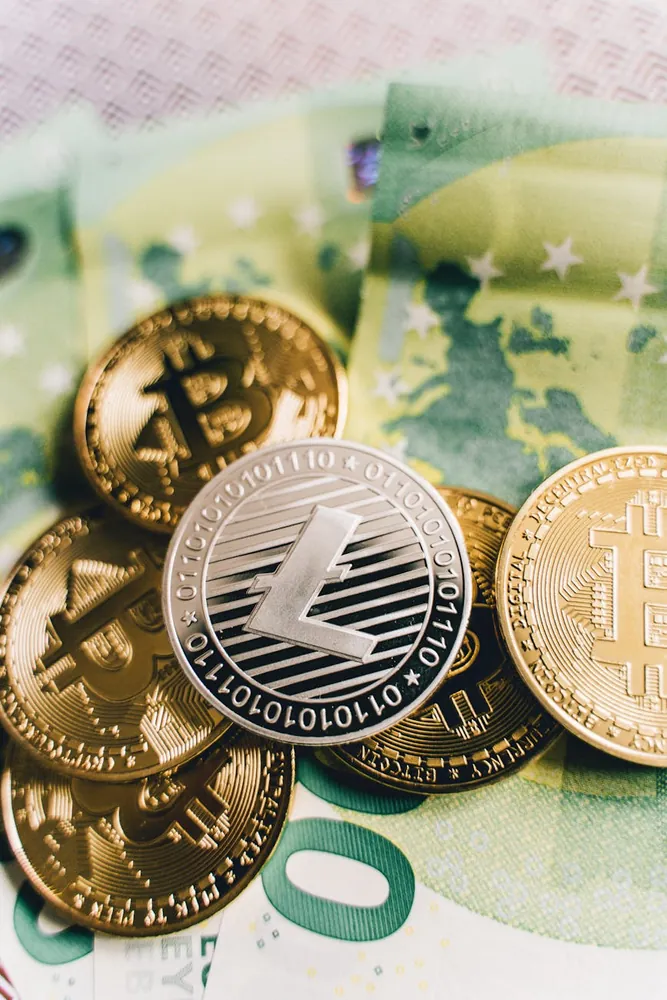
Understanding Altcoin Adoption Rates
In the evolving landscape of cryptocurrency, altcoins have emerged as formidable alternatives to Bitcoin and Ethereum. Yet, the viability of these alternative coins heavily relies on adoption rates. Adoption rate refers to the speed and extent to which a new technology or currency is embraced by the market. In the context of altcoins, adoption is influenced by a range of factors including technological innovation, market demand, and investor confidence.
The Role of Adoption Rates
Adoption rates are critical in determining an altcoin’s success. They indicate market acceptance and provide insights into the coin's potential for long-term growth. A higher adoption rate often correlates with increased transaction volumes and liquidity, enhancing the coin's usability and attractiveness to investors. Conversely, low adoption can signal market skepticism or technological shortcomings.
Technological Advancements in Altcoins
Technology underpins the success of altcoins. Many projects strive to offer unique technological features that address limitations found in more established cryptocurrencies. For example, Cardano focuses on sustainability and scalability using its Proof of Stake (PoS) consensus mechanism, while Polkadot offers interoperability between different blockchains, making it a versatile option for developers.
Blockchain Innovations
Blockchain innovations such as smart contracts, decentralized finance (DeFi) platforms, and advanced consensus algorithms have propelled certain altcoins into the limelight. Ethereum's ERC-20 tokens led the way, but newer coins are continuously pushing the envelope. For instance, Solana has gained attention for its high throughput capability, offering faster transactions at lower costs.
Evaluating Technological Potential
Investors should closely evaluate an altcoin's technological foundations before investing. Questions to consider include:
- Does the technology solve an existing problem?
- Is the development team competent and transparent?
- How scalable is the solution?
A positive assessment can indicate a higher likelihood of adoption.
The Trade-offs Between Established Coins and Emerging Projects
Investors face a fundamental decision: invest in established coins with proven track records or take a risk on emerging projects that could offer significant returns.
Established Coins
Established altcoins such as Ethereum and Litecoin provide relative stability and a strong user base. Their maturity means they are often less volatile and have extensive community and developer support. This makes them appealing for those seeking safer investment options.
Emerging Projects
Emerging altcoins like Avalanche or Algorand present opportunities for high returns due to their innovative approaches and untapped markets. However, they come with inherent risks including higher volatility, regulatory uncertainty, and potential technological failures.
Case Studies: Adoption Rates Impacting Viability
To understand how adoption rates influence altcoin viability, we examine two case studies: Dogecoin and Chainlink.
Dogecoin: The Power of Community
Initially created as a joke, Dogecoin saw massive adoption due to its strong community-driven approach. Despite lacking groundbreaking technology, its widespread popularity highlighted the importance of community in driving adoption.
Chainlink: Filling a Market Need
Chainlink addressed a specific need for reliable data feeds in smart contracts, gaining rapid adoption in DeFi sectors. Its utility-driven adoption demonstrates how solving concrete market problems can lead to success.
Practical Tips for Investors
When navigating the altcoin market, investors should consider several practical strategies:
- Diversification: Spread investments across different projects to mitigate risks.
- Research: Conduct thorough research on project whitepapers, teams, and market demand.
- Stay Informed: Follow news updates and regulatory changes affecting cryptocurrencies.
An informed investment strategy helps in balancing potential rewards with risks associated with altcoin investments.
Conclusion
The dynamic nature of altcoin markets requires careful consideration of adoption rates and technological advancements. While established coins offer stability, emerging projects provide opportunities for high rewards at greater risk. By understanding these dynamics and employing strategic investment practices, investors can navigate the complex landscape of altcoins effectively.