
Understanding Volatility: How to Navigate the Challenges of Altcoin Markets
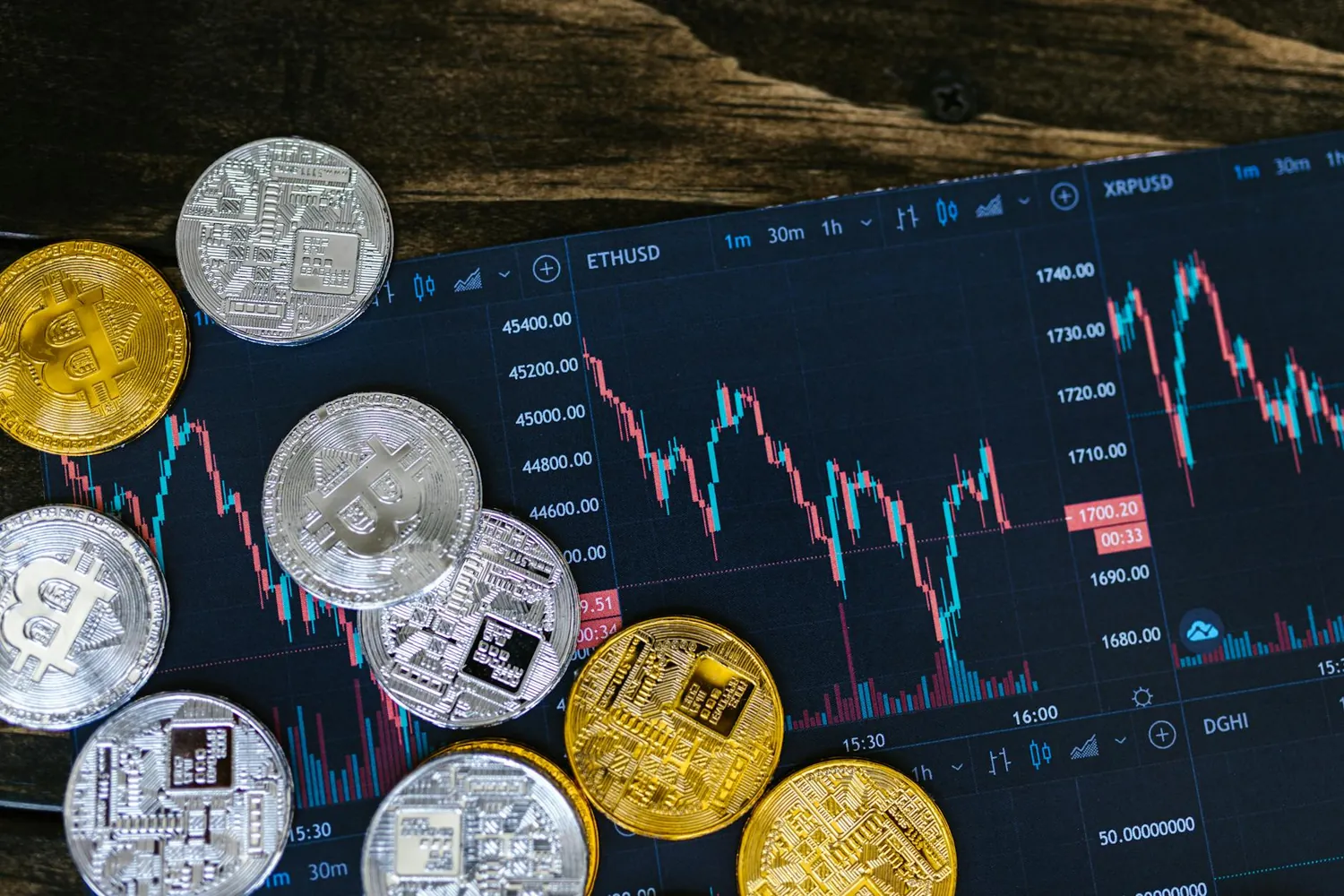
Understanding the Volatile Nature of Altcoins
The altcoin market is a dynamic and rapidly evolving landscape. Altcoins, which include all cryptocurrencies other than Bitcoin, can present lucrative opportunities for investors. However, they also come with significant risks due to their inherent volatility. Understanding how to navigate this volatility is crucial for anyone looking to invest in these alternative digital assets.
Altcoins can experience drastic price changes in a very short period. Factors contributing to this volatility include market speculation, regulatory news, technological developments, and broader economic trends. To successfully engage with altcoin markets, one must have a thorough understanding of these elements.
Identifying Promising Altcoins
Evaluating Market Trends
One of the first steps in identifying promising altcoins is to evaluate current market trends. This involves looking at historical data to identify patterns and predict future movements. Tools like CoinMarketCap and CoinGecko offer comprehensive datasets for this purpose.
Consider both long-term trends and short-term price movements. For example, an altcoin that consistently performs well over a multi-month period may indicate strong market support, whereas erratic price swings could suggest speculative trading.
Analyzing Project Fundamentals
Beyond market trends, the fundamentals of an altcoin project are critical indicators of its potential. Here’s what to look for:
- Whitepaper: The project’s whitepaper should clearly explain its goals, technology, use case, and the problem it aims to solve.
- Development Team: A strong team with a proven track record in technology or finance can often better execute the project's vision.
- Community Support: A robust and active community can be a strong indicator of an altcoin's future success.
Take Ethereum as an example. Its strong developer community and frequent technological updates have contributed to its status as a leading altcoin.
Risk Management Strategies
Diversification
Diversification is a fundamental risk management strategy. By spreading investments across multiple altcoins, investors can mitigate the risk associated with the failure or underperformance of any single project.
However, diversification should not be done haphazardly. Ensure each chosen altcoin aligns with your investment goals and risk tolerance. Diversification within sectors (e.g., privacy coins, DeFi tokens) can also add resilience to your portfolio.
Setting Stop-Loss Orders
Stop-loss orders are an essential tool for protecting investments from severe downturns. These orders automatically sell an asset once it reaches a predetermined price, limiting potential losses.
For instance, if you purchase an altcoin at $100, setting a stop-loss order at $80 ensures that you minimize losses if the market turns against you.
Keeping Up With Regulatory Developments
The legal landscape surrounding cryptocurrencies is continually evolving. Changes in regulations can significantly impact altcoin markets, often leading to increased volatility. Staying informed about regulatory news can help anticipate market shifts and adjust strategies accordingly.
Developing a Disciplined Investment Plan
Establishing Clear Goals
A disciplined investment plan begins with clear, realistic goals. Determine whether your aim is long-term wealth accumulation, short-term profits, or a specific milestone like funding a significant purchase or retirement.
Your goals will influence your strategy, including which altcoins to buy and when to sell. Align your risk appetite with your financial objectives to maintain consistency in your approach.
Regular Portfolio Review
A regular review of your investment portfolio is vital to ensure it aligns with your goals and market conditions. Adjust your portfolio based on performance assessments and market forecasts.
This review should include rebalancing your investments if certain altcoins have performed exceptionally well or poorly. Rebalancing helps maintain the desired level of risk exposure.
Case Study: Navigating Altcoin Volatility
Let’s consider the rise of Solana (SOL) as a case study. In early 2021, Solana experienced exponential growth due to its high-speed transaction capabilities and strong developer ecosystem.
- Initial Investment: An investor who purchased SOL in January 2021 at $2 saw the price rise dramatically to $200 by September 2021.
- Volatility Challenge: Despite its success, Solana's price fluctuations were significant. Investors needed to navigate periods of intense price corrections skillfully.
- Strategy Employed: Successful investors diversified their holdings beyond Solana to hedge against potential downturns, maintained stop-loss orders to protect gains, and continuously monitored updates from the Solana Foundation for regulatory compliance and network upgrades.
Conclusion: Thriving in the Altcoin Ecosystem
The altcoin market offers exciting opportunities but comes with substantial risks due to its volatility. By understanding market dynamics, thoroughly researching potential investments, employing solid risk management strategies, and maintaining discipline in investment planning, investors can navigate these challenges effectively.
The key is continuous learning and adaptation. As new technologies and regulations emerge, staying informed will provide the edge necessary to succeed in this unpredictable yet rewarding environment.