
Exploring Practical Uses of Bitcoin Within the Decentralized Finance Landscape
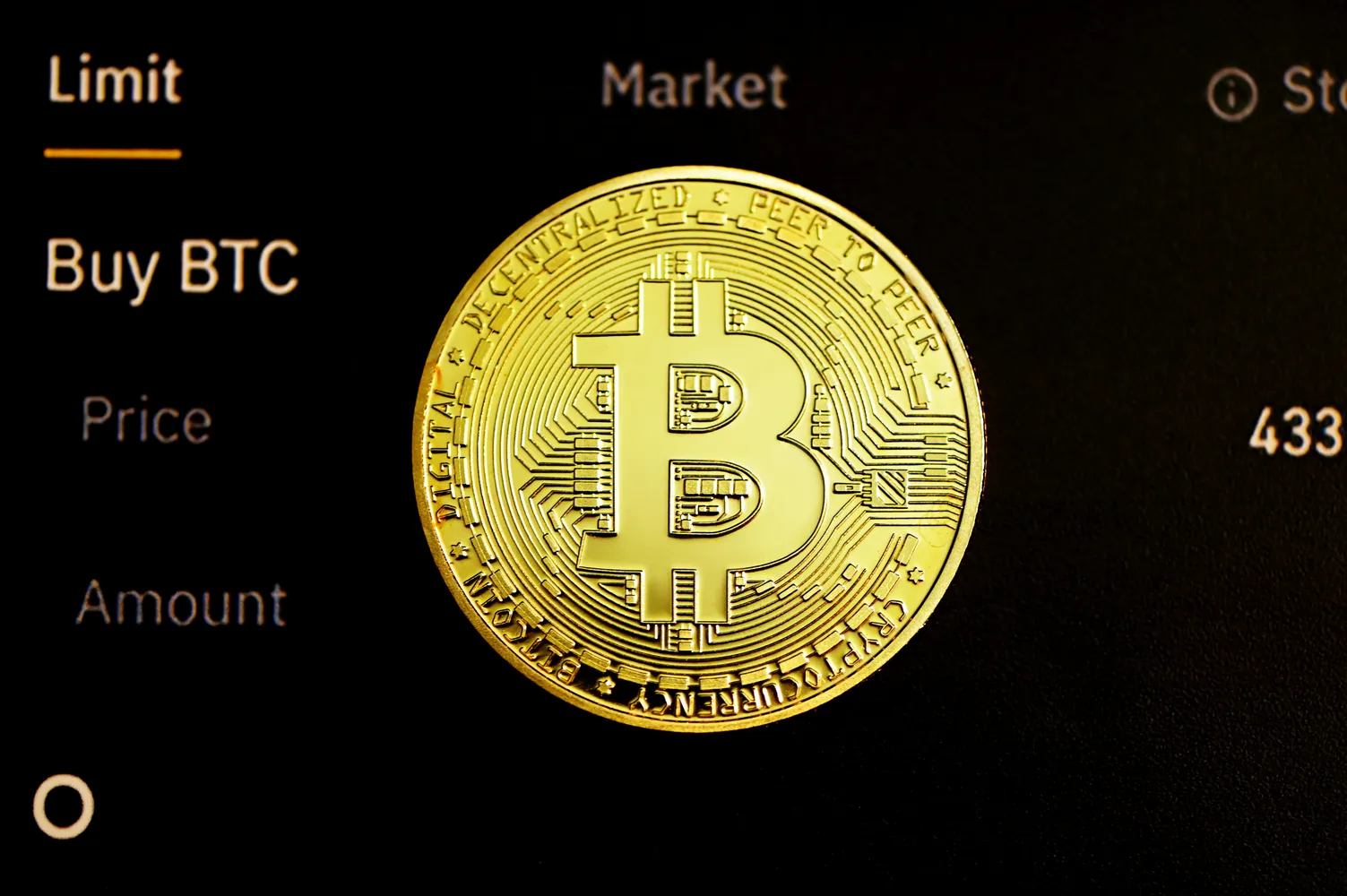
The Role of Bitcoin in DeFi
Bitcoin, often hailed as digital gold, transcends its primary role as a store of value to become a pivotal asset in the burgeoning decentralized finance (DeFi) ecosystem. While Ethereum is frequently associated with DeFi applications due to its smart contract functionality, Bitcoin's integration into DeFi platforms is on the rise, primarily through tokenized versions that allow it to participate in lending, borrowing, and liquidity provisioning.
Tokenizing Bitcoin for DeFi
To utilize Bitcoin within DeFi, it typically needs to be represented as a token on a compatible blockchain, like Ethereum. This process is known as tokenization. Wrapped Bitcoin (WBTC) is the most well-known tokenized form, allowing BTC holders to access DeFi protocols without selling their assets. WBTC is backed 1:1 by Bitcoin, ensuring that the value remains consistent.
By converting BTC to WBTC, users can tap into Ethereum's DeFi ecosystem, including popular platforms like Uniswap, Aave, and Compound, leveraging Bitcoin's value in various financial operations.
Leveraging Bitcoin in DeFi Lending and Borrowing
Lending and borrowing are cornerstone functions of the DeFi ecosystem. Here’s how Bitcoin can be utilized:
Bitcoin as Collateral
Bitcoin can be used as collateral on many DeFi platforms. By depositing Bitcoin into a protocol, users can borrow other cryptocurrencies without selling their BTC holdings. This feature is advantageous for maintaining exposure to Bitcoin while gaining liquidity in another currency for different uses.
- Aave: As one of the prominent DeFi lending platforms, Aave allows users to deposit WBTC as collateral and borrow stablecoins like DAI or USDC at competitive interest rates.
- Compound: Another major player, Compound enables the use of WBTC for collateralization, offering diverse options for loan configurations.
Earning Yield on Bitcoin
DeFi provides avenues for earning yield on Bitcoin through lending:
- Lenders can provide WBTC to liquidity pools and earn interest from borrowers who utilize these funds.
- The earned interest rates are dynamic, fluctuating based on supply and demand within the protocol.
This system allows Bitcoin holders to generate passive income without relinquishing their core asset.
Bitcoin in Liquidity Provisioning
Liquidity provisioning involves supplying funds to a decentralized exchange's (DEX) liquidity pool in exchange for rewards or trading fees:
Automated Market Makers (AMMs)
Platforms like Uniswap and SushiSwap use AMMs that facilitate trades without a traditional order book. By contributing WBTC to these liquidity pools, you can earn a share of the trading fees generated by swaps involving that pool.
- A typical liquidity pool might include a pair such as WBTC/ETH or WBTC/DAI, enabling direct swap transactions between these tokens.
Impermanent Loss Considerations
It is essential to consider impermanent loss, a potential risk when providing liquidity. This occurs when the price ratio of the deposited tokens changes over time compared to when they were deposited. Proper risk assessment and portfolio diversification can help mitigate these effects.
A Mini-Framework for Integrating Bitcoin into Your DeFi Strategy
Integrating Bitcoin into your DeFi strategy requires careful planning and understanding of available tools and platforms. Here is a step-by-step framework:
- Research and Choose Reliable Platforms: Prioritize security by selecting established platforms such as Aave, Compound, Uniswap, or MakerDAO that offer WBTC services.
- Tokenize Your Bitcoin: Use platforms like RenVM or BitGo to convert your BTC to WBTC securely.
- Diversify Your Use: Determine your goal—whether it's earning yield through lending, leveraging collateral for loans, or providing liquidity—and choose the corresponding platform that aligns with your objectives.
- Monitor Protocols and Market Conditions: Stay informed about interest rate changes, potential risks like impermanent loss, and market shifts that could impact your strategy.
- Regular Portfolio Review: Evaluate the performance of your investments and adjust your strategy based on new opportunities or changes in the DeFi landscape.
The Future of Bitcoin in DeFi
The integration of Bitcoin into DeFi continues to evolve as developers create more sophisticated tools and protocols. Cross-chain solutions are emerging to reduce barriers between blockchains, potentially leading to even greater interoperability and utility for Bitcoin within DeFi.
As the landscape expands, staying educated and agile will be crucial for anyone looking to harness the full potential of Bitcoin in the world of decentralized finance. With its secure value proposition coupled with growing accessibility through tokenized forms, Bitcoin is poised to remain a significant player in this innovative financial frontier.