
Using Data-Driven Methods to Enhance Crypto Trading Efficiency
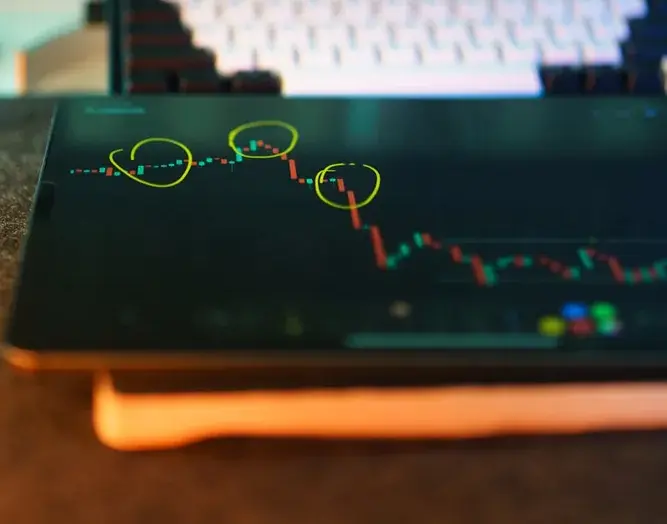
Enhancing Crypto Trading with Quantitative Analysis
The cryptocurrency market is notoriously volatile, presenting both challenges and opportunities for traders. To navigate this complex landscape effectively, data-driven methods have become indispensable tools. By employing quantitative analysis techniques, traders can enhance their performance, making informed decisions grounded in statistical evidence rather than gut feelings.
Introduction to Quantitative Analysis in Crypto Trading
Quantitative analysis involves the use of mathematical and statistical models to understand market behaviors and predict future movements. In crypto trading, this can mean analyzing large sets of historical data to identify patterns or using algorithmic trading strategies to execute trades automatically based on predefined criteria.
Core Quantitative Strategies
There are several key quantitative strategies that traders can employ:
- Statistical Arbitrage: This involves taking advantage of price differentials between different exchanges or correlated assets. For example, if Bitcoin is priced differently across two platforms, a trader could buy low on one and sell high on the other.
- Machine Learning Models: Leveraging machine learning can help in identifying complex patterns in data that traditional models might miss. Algorithms such as Random Forests or Neural Networks can be trained to predict price movements based on historical data.
- Technical Indicators: Using indicators like moving averages, RSI (Relative Strength Index), and MACD (Moving Average Convergence Divergence) allows traders to make decisions based on historical price movements.
Implementing Statistical Models
To effectively implement statistical models in crypto trading, one must understand both the limitations and strengths of these models. For instance, moving averages are excellent for identifying trends but may lag in rapidly changing markets. Thus, they are best combined with leading indicators like RSI to provide a more holistic view.
Example Workflow:
- Data Collection: Gather historical price data from reliable sources like Binance or CoinMarketCap.
- Preprocessing: Clean the data by handling missing values and normalizing to ensure consistency.
- Model Selection: Choose appropriate models based on the market condition and your trading goals. For instance, during a bull market, momentum-based models might be more effective.
- Backtesting: Test your model with historical data to assess its performance before applying it to live trading.
Data-Driven Decision Making
Beyond the technical models, data-driven decision-making requires a comprehensive approach to risk management and strategy optimization.
Risk Management Techniques
An essential component of any trading strategy is understanding and mitigating risk. Here are some common techniques:
- Stop-Loss Orders: Automatically close positions at a predetermined loss level to prevent catastrophic losses.
- Diversification: Spread investments across various cryptocurrencies to reduce exposure to any single asset's volatility.
- Position Sizing: Use statistical measures like Value at Risk (VaR) to determine the optimal size of each trade relative to your portfolio.
A well-balanced portfolio not only improves the chances of achieving consistent returns but also minimizes potential losses during downturns.
The Role of Sentiment Analysis
An emerging area within data-driven trading is sentiment analysis, which involves analyzing social media, news articles, and other textual data to gauge public sentiment toward cryptocurrencies. For example, a sudden surge in positive sentiment towards Ethereum on Twitter might signal an impending price increase.
The implementation process typically involves using natural language processing (NLP) techniques to parse textual data and classify it as positive, negative, or neutral. This information can then be fed into trading algorithms to complement traditional quantitative models.
Comparing Approaches: Manual vs. Automated Trading
Manual Trading with Data Insights
Manual trading involves using data insights to inform trading decisions while still executing trades personally. This approach offers flexibility and allows traders to apply intuition alongside data.
Pros:
- Flexibility in decision-making
- Ability to incorporate qualitative factors such as news events
Cons:
- Slower execution speeds compared to automated systems
- Potential for emotional bias
Automated Trading Systems
Automated trading involves using algorithms to execute trades based on preset rules. These systems can operate 24/7 without human intervention, making them particularly suitable for the round-the-clock nature of crypto markets.
Pros:
- Increased speed and efficiency
- No emotional decision-making
Cons:
- Requires technical expertise for setup and maintenance
- Lack of adaptability in unforeseen market conditions
When to Use Each Approach
The choice between manual and automated trading should depend on one's resources and trading style. Automated systems are ideal for high-frequency trading where speed is crucial, whereas manual trading might be more suited for those who prefer a hands-on approach with smaller volumes and want the ability to pivot quickly during unpredictable events.
The Future of Data-Driven Crypto Trading
The landscape of crypto trading is continuously evolving with advancements in technology. Future trends indicate an increased integration of AI and blockchain technology, leading to more sophisticated trading systems capable of processing larger datasets for even more precise predictions.
The development of decentralized finance (DeFi) platforms is also likely to influence data-driven strategies by providing new sources of data and liquidity pools for traders to explore. Moreover, advancements in quantum computing could potentially revolutionize current cryptographic methods used in cryptocurrency networks, altering how data-driven analysis is conducted.
Final Thoughts
Incorporating quantitative analysis into your crypto trading strategy can significantly enhance your efficiency and profitability. Whether through statistical models or machine learning techniques, these tools provide valuable insights into market dynamics that are otherwise difficult to discern manually.
The key is continuous learning and adaptation—staying abreast of technological advancements and refining your strategies accordingly will ensure you remain competitive in the fast-paced world of cryptocurrency trading.