
Enhancing Cryptocurrency Security Through Advanced Multi-Signature Wallets
The Role of Multi-Signature Wallets in Cryptocurrency Security
As the world of cryptocurrency continues to expand, so do the challenges related to securing digital assets. In this evolving landscape, multi-signature wallets have emerged as a powerful tool for enhancing security, especially for large transactions involving both individuals and businesses. By requiring multiple approvals before a transaction can be completed, multi-signature (or "multi-sig") wallets offer a robust layer of protection against unauthorized access.
Multi-signature wallets involve cryptographic protocols that demand more than one private key to authorize a transaction. This technology is not just about preventing theft; it also facilitates collaborative transactions, ensuring that parties can trust the execution of funds only when certain conditions are met.
Understanding Multi-Signature Technology
To grasp the significance of multi-signature wallets, it's essential to understand how they operate. A typical cryptocurrency wallet is secured by a single private key. However, with a multi-sig wallet, there might be two out of three signatures required to approve a transaction, or three out of five, depending on the configuration. The exact number depends on the security needs and operational requirements of the user or organization.
The technical foundation of multi-signature wallets lies in cryptographic algorithms that allow for multiple keys to be associated with a single wallet address. This setup ensures that no single party has unilateral control over the funds, thus mitigating risks associated with key loss or compromise.
Example Configuration: The 2-of-3 Multi-Sig Setup
A common configuration is the 2-of-3 multi-signature wallet, often used in business environments. In this setup:
- Three private keys are generated and assigned.
- Two of these three keys are required to authorize a transaction.
- This configuration provides redundancy (one key can be lost without losing access) and security (compromising one key does not enable unauthorized transactions).
Such arrangements are ideal for partnerships and corporate treasury management where checks and balances are crucial.
Real-World Applications and Case Studies
Multi-signature wallets are utilized by both individual investors who seek extra security for personal holdings and large corporations managing extensive crypto portfolios. Here, we explore some notable examples:
Case Study: Bitfinex and Customer Assurance
Bitfinex, one of the world's largest cryptocurrency exchanges, implemented multi-signature wallets to enhance user trust following past security breaches. By requiring co-signatures from both Bitfinex’s internal team and an external auditor before funds could be moved, they significantly reduced the risk of unauthorized access and aligned their operations with best-in-class security practices.
Case Study: Corporate Treasury Management at Overstock.com
Overstock.com, an early adopter of blockchain technology in retail, uses multi-signature wallets for corporate treasury management. By setting up a multi-sig scheme that involves their CFO, CEO, and an external financial auditor, they ensure that substantial transfers receive proper oversight while maintaining flexibility in everyday transactions.
Implementing Multi-Signature Wallets: A Step-by-Step Guide
Implementing multi-signature wallets can initially seem daunting due to the technical complexities involved. However, by following a structured approach, individuals and businesses can seamlessly integrate this technology into their operations.
Step 1: Define Security Requirements
The first step is assessing your security needs. Consider factors such as the size of assets, frequency of transactions, and potential risk exposure. For instance, a high-net-worth individual managing a sizable crypto portfolio might opt for a 3-of-5 signature requirement to ensure higher security standards.
Step 2: Select the Right Platform
Choosing a platform that supports multi-signature functionality is crucial. Leading platforms like Electrum and Armory provide user-friendly interfaces with comprehensive support for configuring multi-sig wallets.
Step 3: Generate and Store Keys Securely
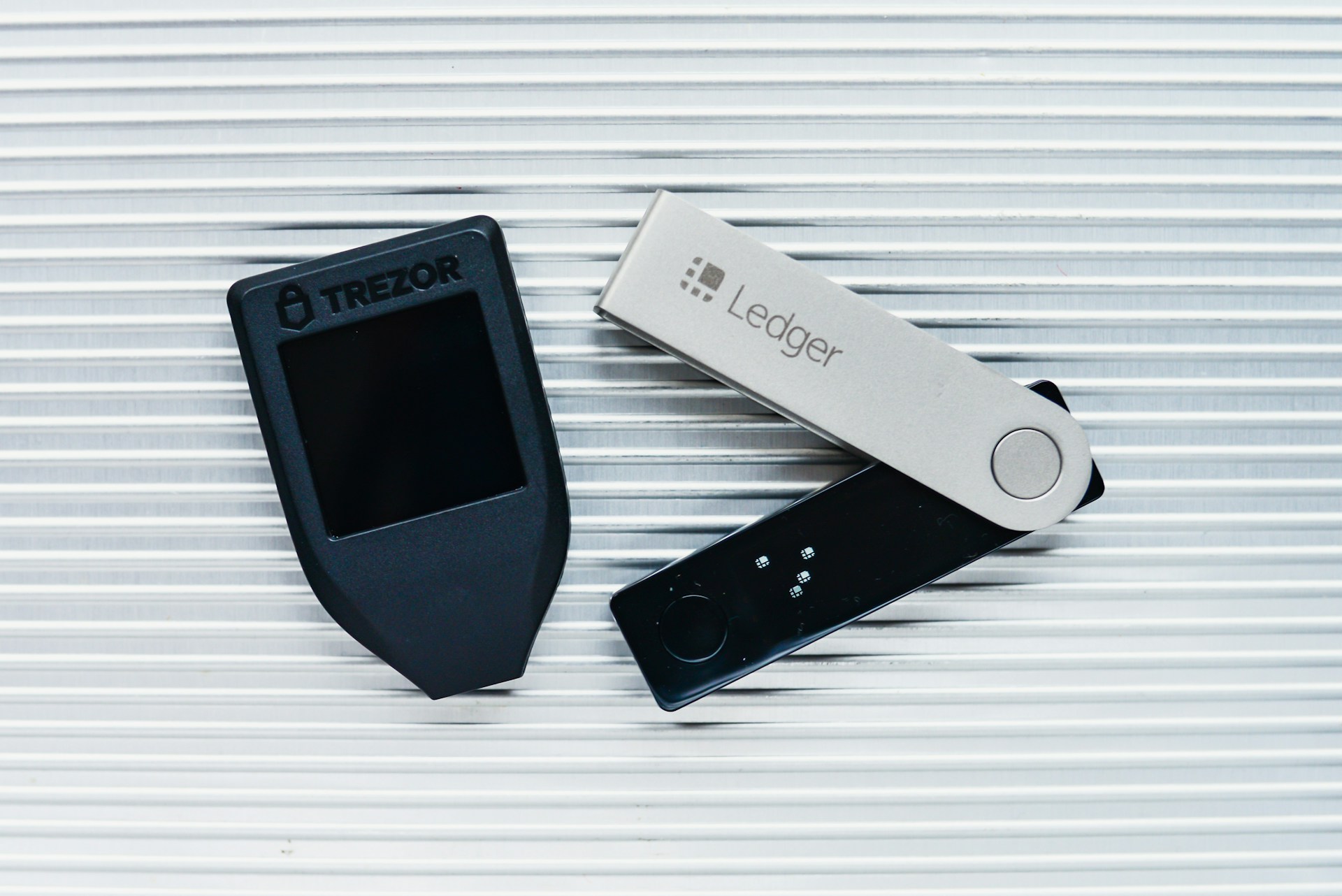
Keys must be generated in a secure environment using best practices such as offline generation on air-gapped devices. Each key should be stored in a different location to reduce risk exposure. For instance, one key might be kept on a hardware device like Trezor or Ledger, another with a trusted legal advisor, and the third in a secure safe deposit box.
Step 4: Set Up Wallet Configuration
Configure the wallet according to your security policy, assigning signature thresholds and assigning roles. Platforms typically offer detailed guides to facilitate this process, ensuring users can achieve the desired level of security without excessive complexity.
Step 5: Test Transaction Processes
Before going live, conduct test transactions to verify that all components work as expected. This stage is vital for identifying potential issues that could disrupt operations later.
Benefits Beyond Security
While security is the primary advantage of multi-signature wallets, there are additional benefits worth noting:
- Enhanced Trust: In partnership or multi-party scenarios, each member’s participation in approving transactions enhances mutual trust.
- Reduced Risk of Loss: With multiple keys required, the risk associated with losing a single key is significantly mitigated.
- Flexibility in Access Control: Different configurations can tailor access control based on organizational hierarchy or personal preference.
Challenges and Limitations
Despite their advantages, multi-signature wallets come with challenges that users must consider:
- Complexity: Setting up and managing a multi-sig wallet can be technically demanding, requiring careful planning and execution.
- Cost: Depending on the platform, there may be additional fees associated with creating or managing multi-sig transactions.
- Compatibility: Not all cryptocurrencies or wallet platforms support multi-signature technology, potentially limiting its application across diverse portfolios.
The Future of Multi-Signature Wallets
The adoption of multi-signature wallets is poised to grow as blockchain technology matures. Innovations such as cross-chain interoperability and enhanced user interfaces will likely make them more accessible to the average user while retaining their robust security benefits. Furthermore, advancements in smart contract capabilities may eventually automate many aspects of multi-signature management, reducing human error and increasing efficiency.
The future promises an era where cryptocurrency security is as user-friendly as it is effective—a goal towards which multi-signature wallets are a significant stepping stone.