
How Cold Storage Enhances Security for Multi-Currency Wallets
The Rise of Multi-Currency Wallets
The proliferation of cryptocurrencies over the last decade has ushered in the era of multi-currency wallets, which are essential tools for managing diverse digital assets. These wallets allow users to store and manage a variety of cryptocurrencies within a single interface, providing convenience and flexibility.
However, the convenience offered by these wallets also introduces potential vulnerabilities, particularly when it comes to security. Given the increasing sophistication of cyber threats, enhancing security for multi-currency wallets is more important than ever.
Understanding Cold Storage
Cold storage refers to keeping a reserve of cryptocurrencies offline, significantly reducing the risk of theft from online attacks. Unlike hot wallets that are connected to the internet, cold storage options typically include hardware wallets and paper wallets.
Hardware Wallets: The Popular Choice
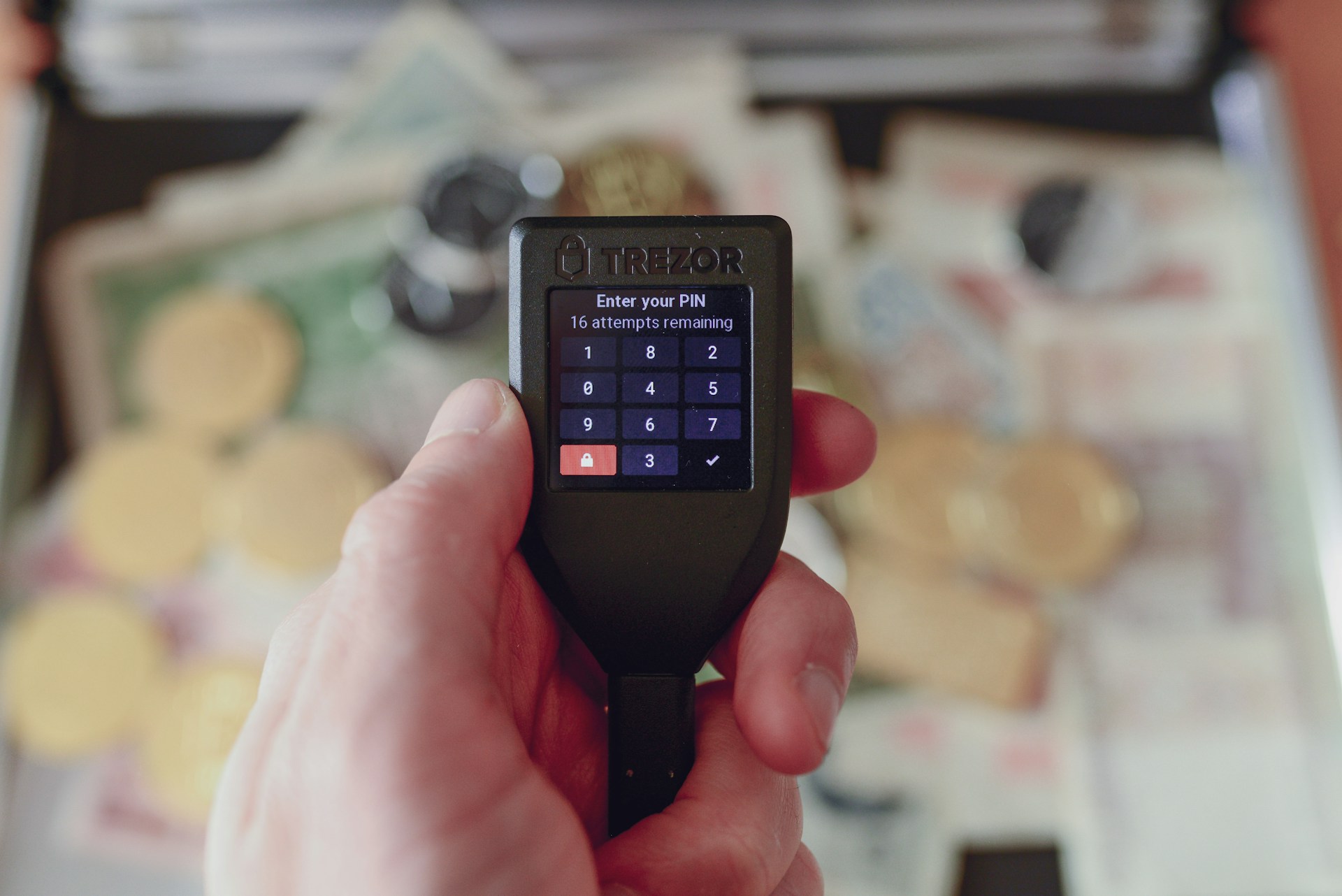
Hardware wallets are physical devices designed specifically for securing cryptocurrencies. They store users' private keys offline, making them impervious to hacking attempts that target online systems. Popular examples include Ledger Nano S, Trezor, and KeepKey.
One real-world example is an individual who owned Bitcoin during its early years. By using a Ledger Nano S to store his assets offline, he safeguarded his cryptocurrency from multiple hacking attempts that targeted popular exchanges at the time.
Paper Wallets: An Old-School Approach
Paper wallets are another form of cold storage, involving printing a user's private and public keys on a piece of paper. This method provides an air-gapped solution where digital theft becomes impossible. However, paper wallets come with their own set of risks such as physical damage or loss.
The Role of Two-Factor Authentication (2FA)
Two-factor authentication is an additional security measure that complements cold storage by requiring a second form of verification before accessing wallet funds. This can be in the form of SMS codes, email confirmations, or authenticator apps like Google Authenticator and Authy.
Implementing 2FA: A Practical Guide
- Select a Reliable 2FA Method: Choose between SMS, email, or authenticator apps based on your security needs and convenience.
- Enable 2FA on Exchange Accounts: Most cryptocurrency exchanges support 2FA; enabling it adds an extra layer of protection against unauthorized access.
- Use Authenticator Apps: Apps like Google Authenticator are preferred due to their resistance to SIM-swapping attacks common with SMS-based 2FA.
A user named Jane shared her experience on a popular crypto forum about how enabling 2FA saved her from a phishing attempt. While her login credentials were compromised, the hacker could not bypass the 2FA she had set up with Google Authenticator, effectively protecting her funds.
Balancing Convenience and Security
The integration of security measures such as cold storage and 2FA inevitably raises the question of convenience versus protection. While cold storage offers superior security, it requires additional steps when transferring assets compared to hot wallets.
Case Study: Day Trader vs Long-Term Holder
A day trader prioritizes quick access to various currencies for trading purposes, often relying on hot wallets for immediate transactions. Conversely, a long-term holder who invests in multiple cryptocurrencies values security over convenience and opts for cold storage solutions.
This differentiation emphasizes that while one-size-fits-all solutions are appealing, personalized strategies based on individual needs and use cases offer better security outcomes.
Creating a Secure Workflow
To maximize security without sacrificing too much convenience, users can adopt a hybrid approach:
- Primary Cold Storage: Reserve your cold storage for long-term holdings and only transfer assets to hot wallets when necessary.
- Regularly Update Security Measures: Keep your hardware wallet firmware updated and periodically review your security settings across all platforms.
- Backup Recovery Phrases: Securely store recovery phrases for hardware wallets in multiple secure locations to mitigate loss or damage risks.
An example workflow might involve using a Ledger Nano S for storing large Bitcoin holdings offline while keeping smaller amounts in a hot wallet for everyday transactions. This ensures that the bulk of assets remains secure while maintaining operational flexibility.
Conclusion: Towards Secure Crypto Management
As the landscape of cryptocurrencies continues to evolve, so too must our strategies for securing these digital assets. Employing cold storage alongside modern security measures like two-factor authentication provides robust protection against emerging threats.
Ultimately, striking the right balance between convenience and security is key. Whether through careful planning or adopting new technologies, empowering yourself with knowledge and tools is essential in safeguarding your crypto investments.